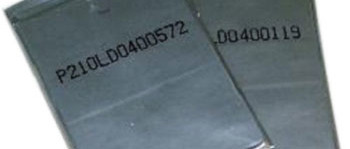
| LiPo (Lithium Polymer) batteries have a number of advantages compared to NiCd and NiMH batteries. In addition to having a lower weight for t...



More about battery (491)
€5 (FREE for Members)
€5 (FREE for Members)
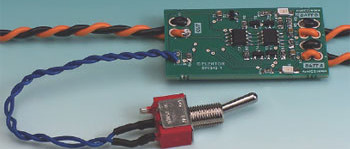
| Using rechargeable batteries to power circuits is a proven method for providing energy to mains-independent equipment. A major disadvantage...
€5 (FREE for Members)
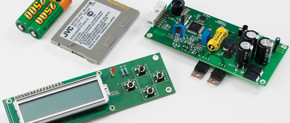
| Originally developed for receiver batteries in radio-controlled (RC) models, the circuit discussed in this article is used to charge, discha...
€5 (FREE for Members)
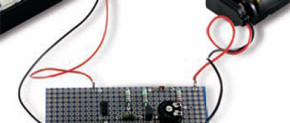
| In theory you could just connect a solar panel via a Schottky diode to several batteries connected in series. The internal resistance of a s...
€5 (FREE for Members)

| Lithium-based chemistries have for some time been showing the most promise of all battery technologies. Although they offer an unsurpassed e...
€5 (FREE for Members)
| The circuit allows NiCd type LR03 (AAA) and LR6 (AA) rechargeable cells to be discharged in a controlled manner. The discharging (load) curr...
€5 (FREE for Members)
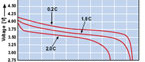
| It is not generally known that it is possible to ascertain the extent of charge of a battery with a standard digital voltmeter. It does not...
€5 (FREE for Members)
| The circuit described here is eminently suitable to indicate the capacity of a battery. We use a cheap electric clock for this. By connectin...
€5 (FREE for Members)

| Occasionally there is the need to charge a battery from a laptop, mobile phone or PMR handheld using an ordinary laboratory power supply. It...
€5 (FREE for Members)

| This article shows a simple circuit for slow charging while preventing any risk of overloading the battery. The circuit consists of just fou...