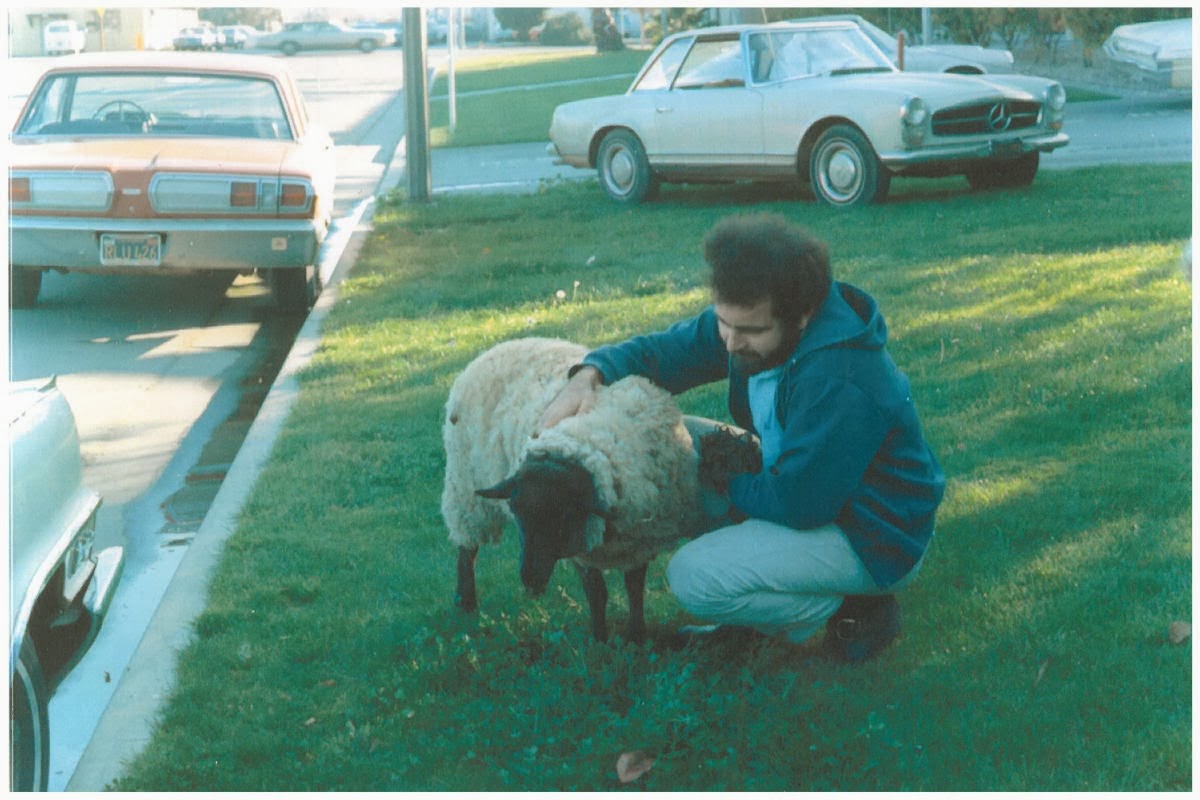
At Fairchild, Widlar was behind the design of some iconic opamps such as the μA702 and the μA709, and the μA723 voltage regulator. After asking for a raise and being turned down, Widlar left Fairchild together with his counterpart Dave Talbert, and started to work for Molectro in 1966. Before leaving, Widlar refused to sign the exit interview form, and instead, he wrote: “I want to be RICH!” Talk about business etiquette. Later, Molectro was quickly acquired by National Semiconductor, where Bob would remain until 1970. In those 4 years, he created the LM100, the first integrated linear regulator. Besides, he came up with a series of improved opamps named LM101A and created a bandgap voltage reference with a stability never seen before. And of course, everything else: His regular one-finger salutes, the day he cherry-bombed an annoying intercom speaker at the office, his hints on how to properly use the widlarizing hammer when a component is declared faulty (no comment), or the day, in response to recent budget cuts, he brought a sheep to the National’s HQ to do the lawn mowing FOC (see pic below). Few years later, in 1980, together with his colleagues Robert Swanson and Bob Dobkin he ended up founding another analog beast: Linear Technology.
If you enjoyed this small piece, I strongly recommend to dig into Widlar’s life and designs on the Internet. You will have no trouble finding extensive and interesting reads.
Some people say that analog designers are in reality artists. Every new IC is an invention on its own, and that requires an innate talent which usually goes hand in hand with a peculiar character. Bob Widlar was the perfect, unique example. And besides a top engineer, hell yeah, he was a rock star.
"He just was, he was the meanest, toughest son of a bitch you've ever seen."




Discussion (5 comments)