


Neural probes investigate brain disorders
December 24, 2015
on
on
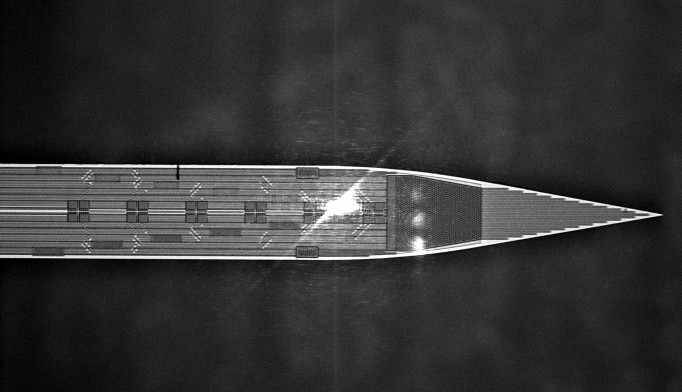
In cooperation with KU Leuven and Neuro-Electronics Research Flanders (NERF), the nanoelectronics research center IMEC has developed a set of silicon neural probes in which twelve monolithic integrated optrodes are combined using a CMOS-compatible process. The probes enable optical stimulation and electronic detection of individual neurons using optogenetic techniques. The probes clear the way to a better understanding of the brain and new treatment methods for brain disorders such as Alzheimer’s disease, schizophrenia, autism and epilepsy.
Currently available instruments for the detection of neural activity in order to study how the brain works usually have a limited number of electrical channels. Furthermore, the brain is composed of a large number of genetically and functionally different sorts of neutrons, and conventional probes are not able to distinguish the sources of the detected electrical signals. By contrast, the new neural probes developed by IMEC and KU Leuven are suitable for this and thus facilitate a better understanding of how the brain works as well as the development of new treatment methods for brain disorders.
The new probes combine electronics and photonics to perform extremely sensitive measurements. The fully integrated, implantable neural microsystems have advanced capabilities for the detection, processing and interpretation of neural processes at the cell level. The systems have a large number of electrodes and nanophotonic circuits known as optrodes. These optrodes are used to optically stimulate individual neurons with the aid of optogenetics, a technology in which neurons are genetically modified to make them sensitive to light and therefore susceptible to stimulation by light pulses.
Currently available instruments for the detection of neural activity in order to study how the brain works usually have a limited number of electrical channels. Furthermore, the brain is composed of a large number of genetically and functionally different sorts of neutrons, and conventional probes are not able to distinguish the sources of the detected electrical signals. By contrast, the new neural probes developed by IMEC and KU Leuven are suitable for this and thus facilitate a better understanding of how the brain works as well as the development of new treatment methods for brain disorders.
The new probes combine electronics and photonics to perform extremely sensitive measurements. The fully integrated, implantable neural microsystems have advanced capabilities for the detection, processing and interpretation of neural processes at the cell level. The systems have a large number of electrodes and nanophotonic circuits known as optrodes. These optrodes are used to optically stimulate individual neurons with the aid of optogenetics, a technology in which neurons are genetically modified to make them sensitive to light and therefore susceptible to stimulation by light pulses.
Read full article
Hide full article
Discussion (0 comments)