| electronica Fast Forward 2026 applications are open until July 1, 2026, giving selected hardware and deep-tech startups a chance to present...



All items tagged with Wireless & Communication and Power & Energy (12)

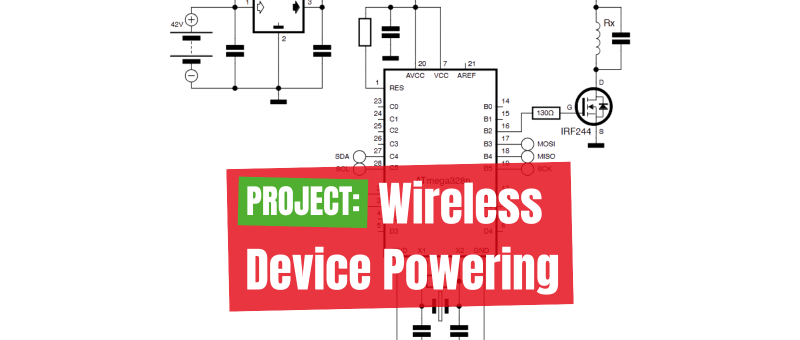
| Power a lamp or heat a mug — no wires needed. This project transfers 20 W through a 5 cm table using 50 kHz electromagnetic resonance. A mic...
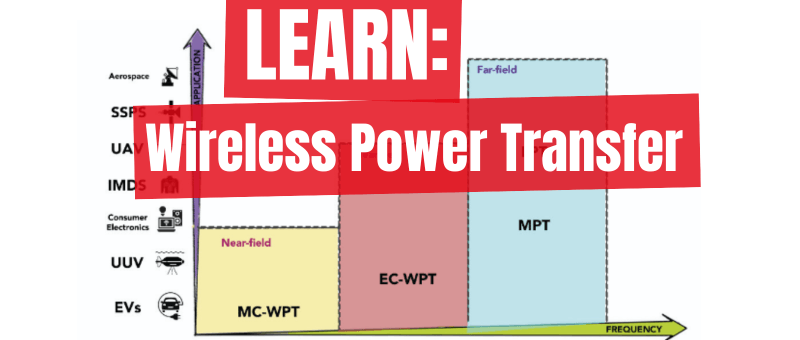
| What is wireless power transfer? Microwave-based wireless power transfer is revolutionizing how energy reaches remote and hard-to-access dev...

| Check out the latest installment of Elektor Lab Notes. We cover some of the newest projects on our workbenches, including battery testing, w...

| Get ready for electronica 2024! Join us in Munich from Nov. 12-15 for the world’s leading electronics fair, or the world’s leading electroni...
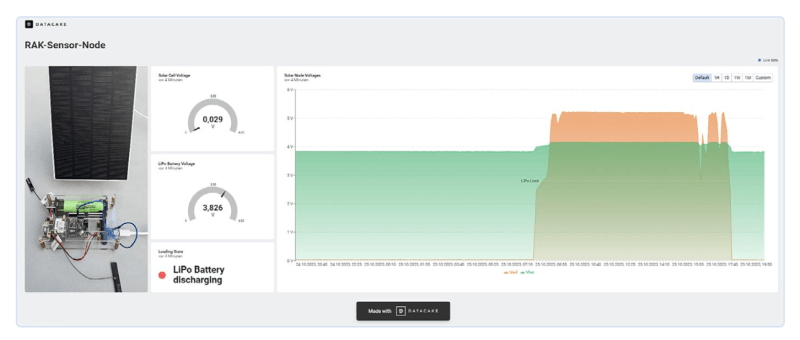
| Autonomous sensor nodes require both wireless communication and a self-sustaining power source. This solar-powered LoRa node project introdu...
€5 (FREE for Members)
| In the previous article, we discussed the development of an autonomous sensor node focusing on environmental data collection. While the setu...
€5 (FREE for Members)

| Autonomously operating sensor nodes need wireless communication as well as an autonomous source of power. This article will introduce you to...

| Check out the latest installment of Elektor Lab Notes. We cover some of the newest projects on our workbenches, including vacuum tube electr...

| Check out the latest installment of Elektor Lab Notes. We cover some of the newest projects on our workbenches, including updates about the...