


Working with Old Electronics: Restore, Repair, Reuse
September 4, 2025
on
on

If your curiosity leads you to open up an old or discarded electronic device, Consumer Electronics Repair, Reuse and Recycling is for you. Inside these forgotten items lies a potential treasure trove of learning, as well as the rewarding world of electronic repair, restoration, and creative modification. It can even be profitable, not just for you, but also for the environment.
As a young child, I was fascinated by the world of electronics. This wonder was further infused into my being through early Sci-Fi Classics such as the “Inventor in the shed” type stories. One that immediately comes to mind is H.G. Wells' classic “The Time Machine.” My passion for electronics is as strong today as it was 50 years ago.
Frighteningly, in those five decades, just as in Wells’ story, the fanciful future of humankind may be facing an untold predicament. The environmental impacts driven by today’s mass electronic consumerism include not only the insatiable energy demands of production, but also the widespread use of toxic plastics that accumulate in our ecosystems, including within ourselves! Who would have envisioned, before the internet era, that virtually the majority of people in the developed world would be carrying a smartphone?
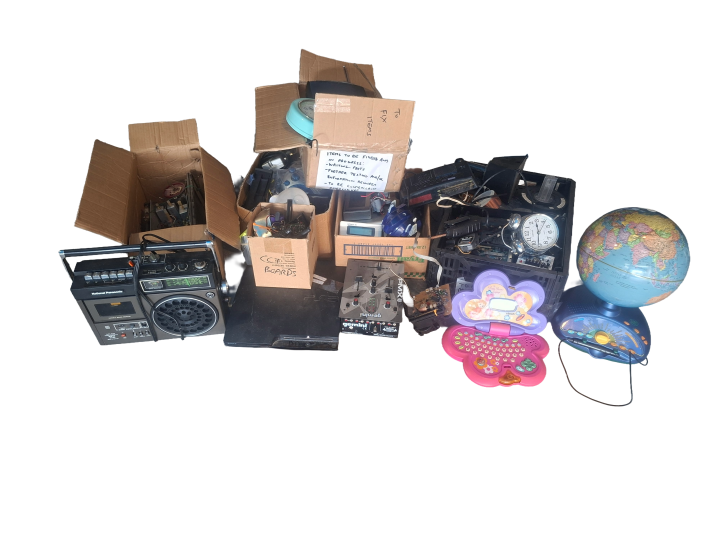
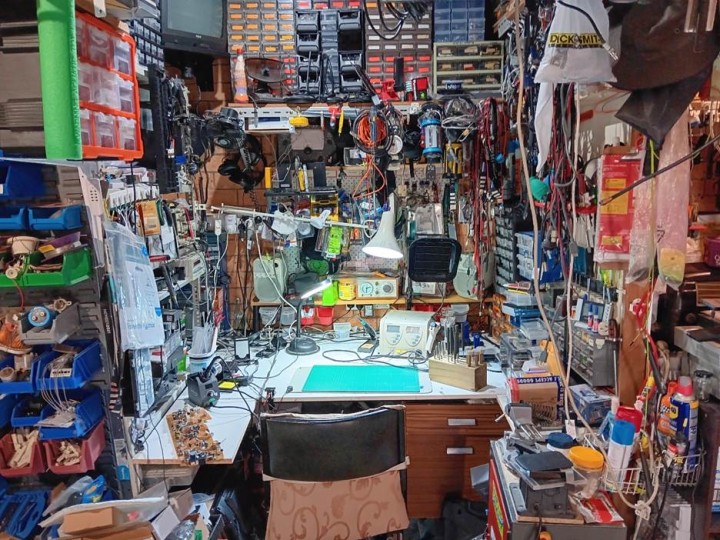
The second purpose is to provide a concise and practical guide for electronic enthusiasts who have basic knowledge of the field. For those with more experience, the book offers a refresher, particularly in repairing video equipment like Plasma and CRT TVs, as well as VCRs. Ten dedicated chapters have been carefully structured to cover real-world knowledge gained not only from my own experiences but from others over the decades.
This book never claims to fix every electronic device, but rather focuses on the repairing, restoring, or hacking of popular consumer products that were commonly found in households over the past decades. The range of products discussed is comprehensive, from black and white or color TVs and old VCR combos that once sat in living rooms to digital DVD player recorders connected to early-generation flat screen plasma TVs.

The book is logically structured, with each chapter targeting a key area of repair, reuse, or recycling. Two dedicated chapters explore where to source not just parts, but also repair information. A critical focus is placed on schematic diagrams and service manuals, including where to find them, often for free online. These resources are key to successful diagnosis and repair. Similarly, sourcing rare or discontinued parts is also covered, with tips on finding them cheaply or even for free.
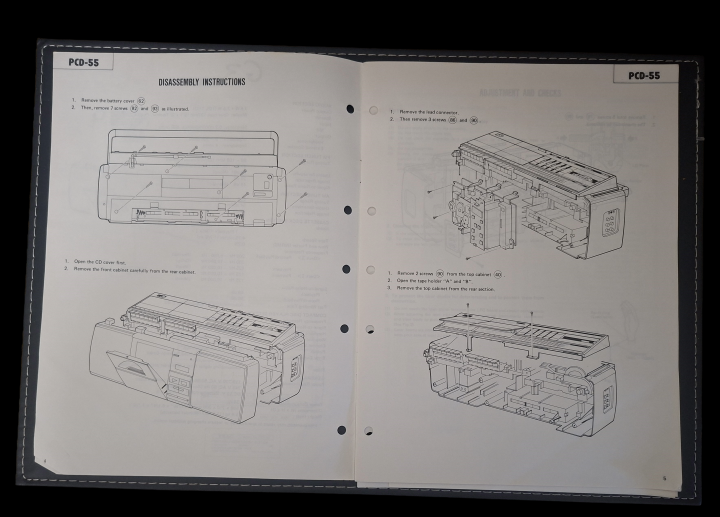
As technically capable people in a world facing environmental crossroads, our actions, however small, can impact future generations. What you gain from this book is limited only by your imagination and ingenuity. It aims to spark creativity and responsible thinking in anyone who enjoys tinkering with electronics. It is written from the perspective of someone who has been immersed in this field since childhood, offering not just knowledge but inspiration.
Subscribe
Tag alert: Subscribe to the tag consumer electronics and you will receive an e-mail as soon as a new item about it is published on our website! Read full article
Hide full article
About Paul Hetrelezis
Paul Hetrelezis's first serious venture into electronics was the building of the 1970s Pong game on Veroboard, as no PCB making apparatus was available then for him. The TV game project came from a popular electronics magazine, and he built it at the age of 16... >>


Discussion (0 comments)