


Elektor Mag in 2025: Solder Smoke, Scope Traces, and a Bit of AI on the Side
on
It’s the last day of 2025, and this will be our last online article for the year — enjoy our mag’s Elektor 2025 review. Working on Elektor month after month, it’s easy to forget individual projects once the next issue rolls in. Looking back over 2025, though, the year holds together really well — and not because every edition chased the same theme, but because each one did its job excellently.
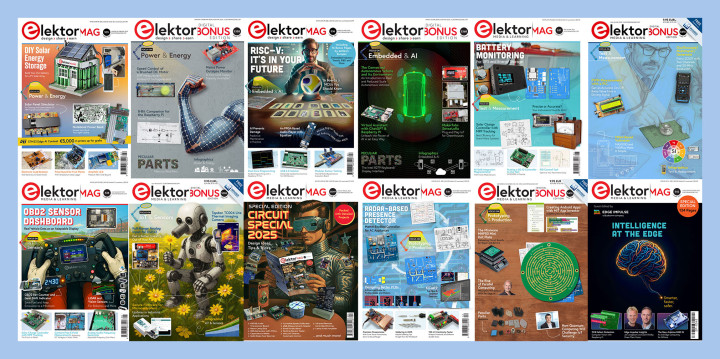
I took a look through our magazine editions for 2025, and here are the projects and articles I kept coming back to, in the order they appeared.
January–February: Power & Energy

We started the year with Power & Energy, which felt like the right place to begin. Before clever firmware or cleverer AI, things still need to power up and behave.
The projects I found most compelling here were the ones that treated energy as something to be tested, not assumed. The Solar Module Simulator by Peter Kroll (Switzerland) stood out because it replaces hand-waving with repeatability — a theme I never get tired of.
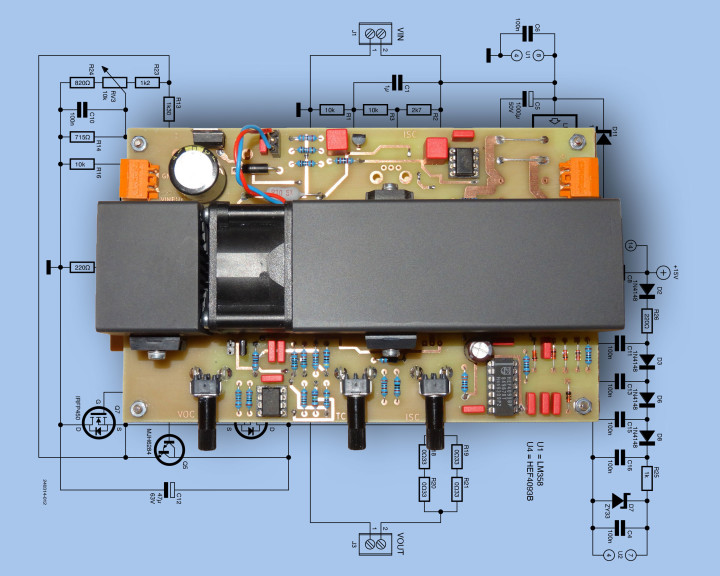
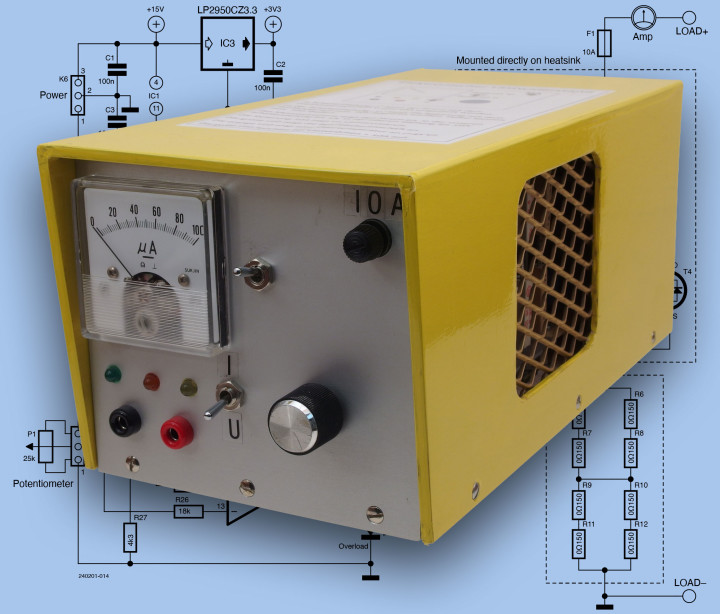
Pair that with Peter Grundmann’s (Germany) Electronic Load Resistor (up to 10 A) and you have the bones of a setup that lets you stress, measure, and mistrust your designs in useful ways.
I also appreciated articles that focused on the quieter problems of power electronics: noise, thermal behavior, and long-term reliability. These aren’t glamorous topics, but they’re the ones that quietly decide whether a project survives past the bench.
March–April: Embedded & AI
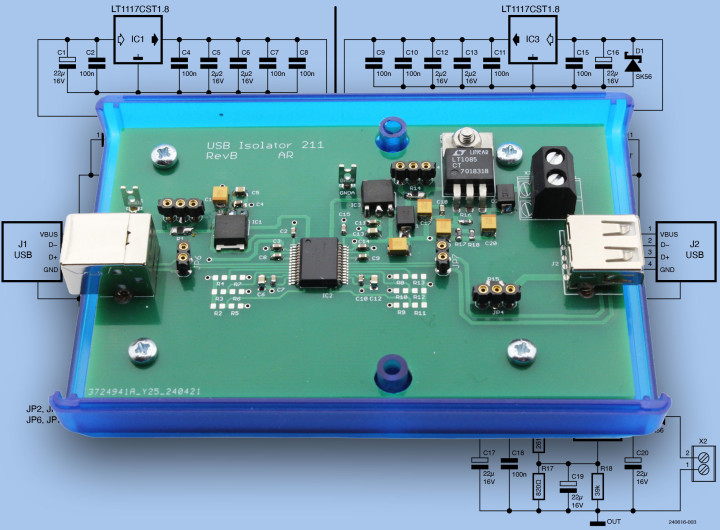
 The Embedded & AI issue was one of the strongest for me.
Christian Nöding’s (Germany) FPGA-Based Audio Player with Equalizer ticked several boxes at once: audio, digital signal handling, and hardware constraints that don’t let you cheat. It’s the kind of project that forces you to understand what’s happening, rather than just assembling layers.
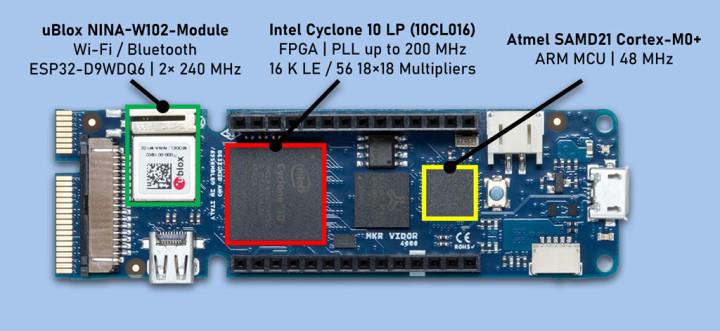
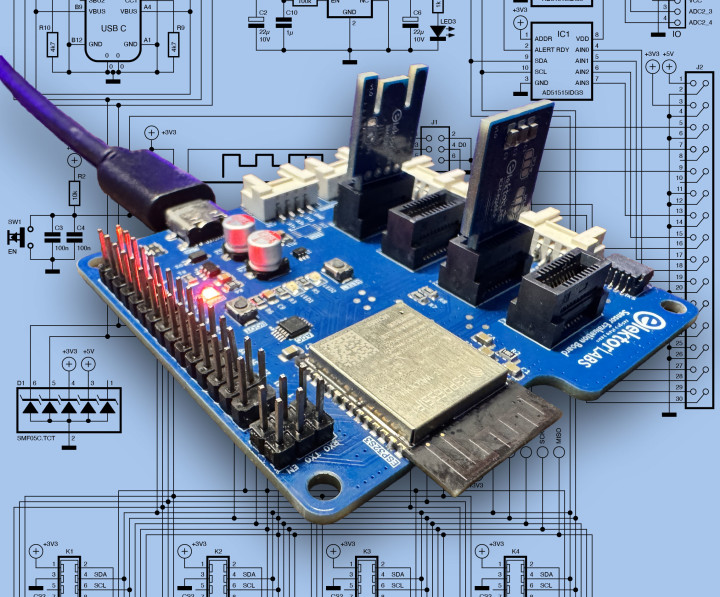
The ESP32-S3 Sensor Evaluation Board by our own Saad Imtiaz (Pakistan) also landed well. It was clearly designed to be poked, measured, and repurposed, rather than treated as a finished product.
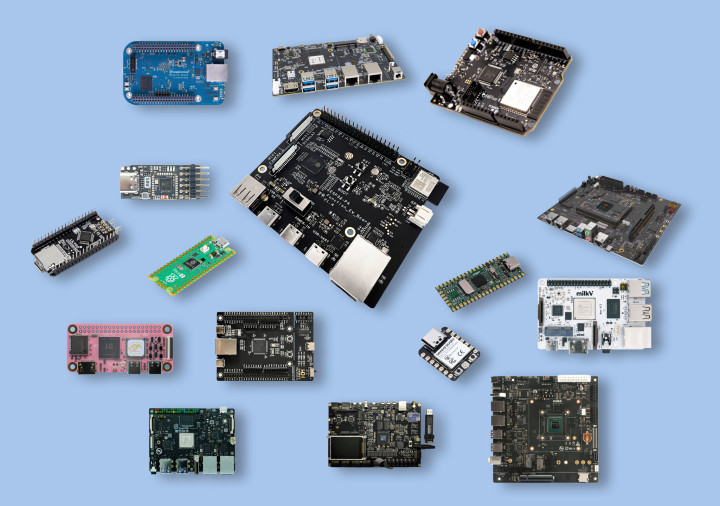
As for the RISC-V Open-Source Processor Architecture deep dive by Saad and Jean-François Simon (France), what I liked was the tone. Not to mention the depth — the coverage stayed grounded in boards (16 of them!), tool chains, and real development experience. No evangelism, no crystal balls — just “this is what it’s like to use it.”
May–June: Test & Measurement
 If there’s one area where Elektor always feels at home, it’s Test & Measurement, and the May–June issue proved it again.
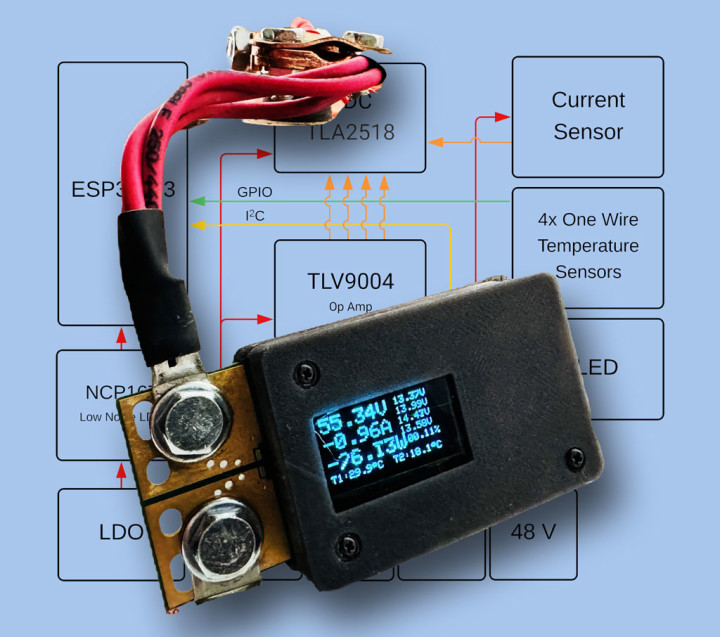
The PbMonitor v1.0, again by Saad, was a quiet standout. Monitoring large household batteries isn’t exciting until it suddenly matters, and then it matters a lot. This was precisely the sort of project I trust: clear purpose, measurable results, and obvious reuse value.
I also liked the issue’s focus on fundamentals: clock accuracy, crystal testing, and questions of precision versus accuracy. Articles such as the Stand-Alone Crystal Tester by Philippe Le Guen (France) and pieces examining instrument reliability are the kind that age well. They don’t expire when the next microcontroller comes out.
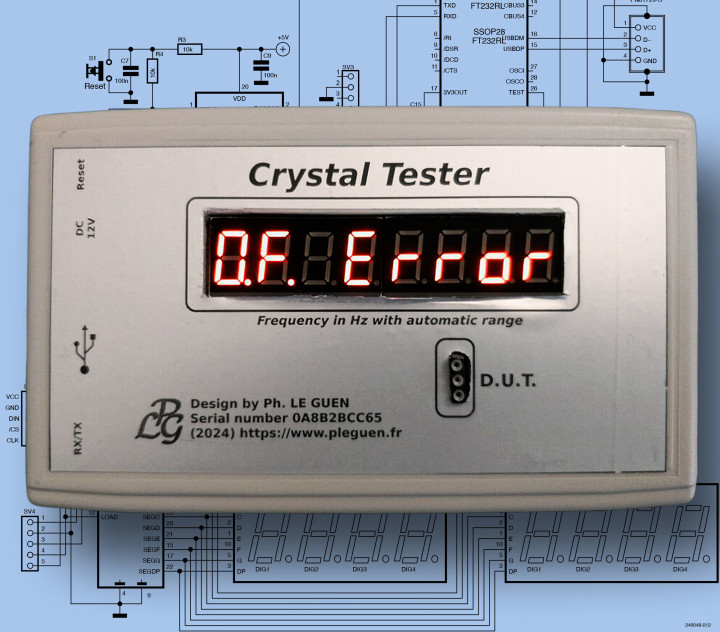
This was an issue full of tools you build and keep.
July–August: IoT & Sensors
 The mid-year issue widened the scope into IoT & Sensors without losing its footing.
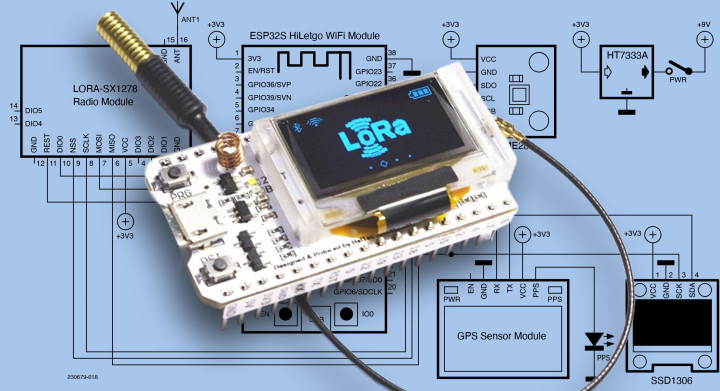
The Meshtastic Demo Project by Bera Somnath (India) caught my attention because it treated wireless as a system problem, not a checkbox. Range, reliability, and real-world conditions all mattered.
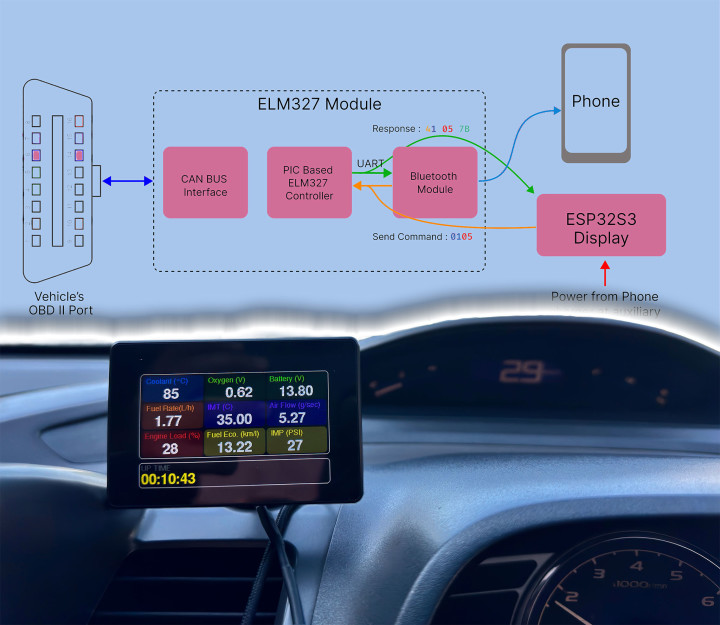
The OBD2 Sensor Dashboard (again from Saad!) was another favorite. Real data, real signals, and a clear path from “this works” to “I want to extend this.”
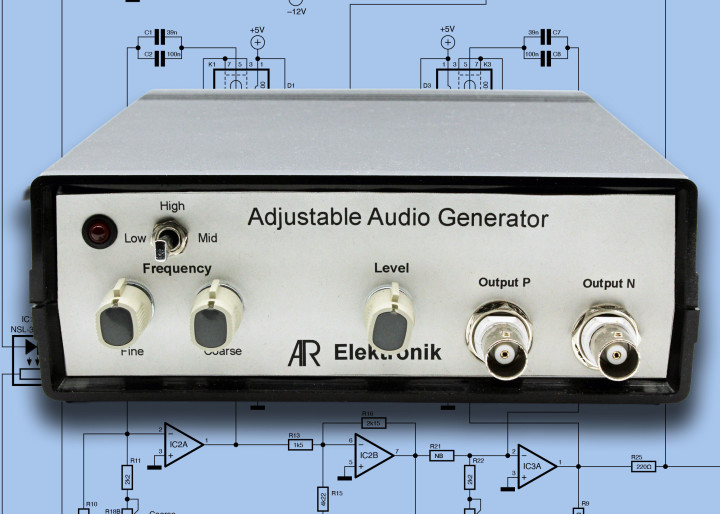
I also appreciated that analog never completely disappeared here. Projects such as Alfred's Analog Audio Frequency Generator reminded me that sensing and signal generation still benefit from straightforward, visible electronics.
Circuit Special 2025
 The Circuit Special needs no cheerleading, and I won’t give it any.
Projects such as Neon Lamp Dice by Clemens Valens (France) are precisely why this issue exists. An ode to a 1966 Elektor project by B. B. Gorneau, this one is playful, slightly mischievous, and unapologetically electronic — just like Clemens. These are the projects that remind people why they got into this field in the first place.
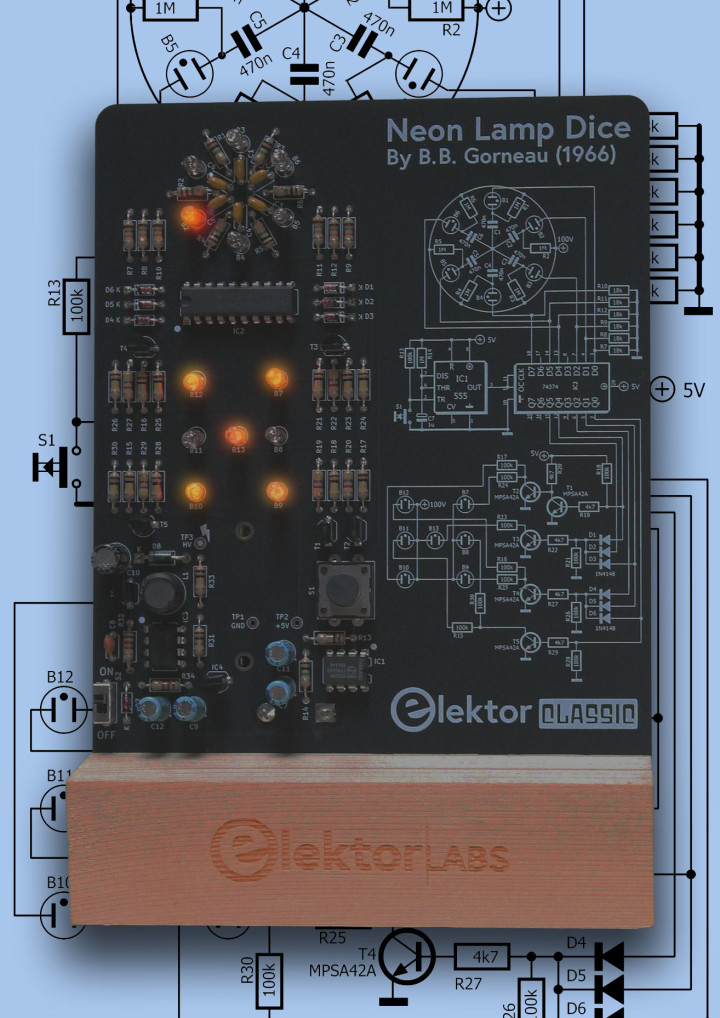
The rest of the issue delivered what it promised: circuits that stand on their own, clearly drawn, and meant to be built. No systems diagrams pretending to be projects. Just electronics.
September–October: Wireless & Communication
 The Wireless & Communication edition worked best because it treated connectivity as a system problem rather than a module-selection exercise.
I kept coming back to two articles. One was the ESP32 Audio Transceiver Board (Part 2) by Elektor Mag Editor-in-Chief Jens Nickel (Germany). It sits at the uncomfortable edge where wireless theory meets measurement reality.
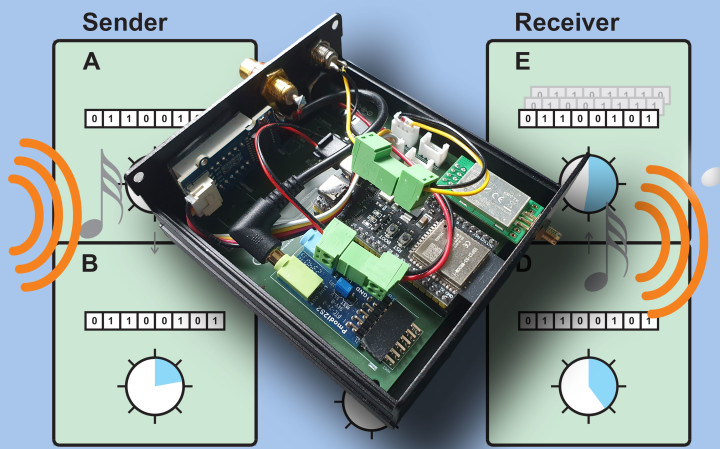
The same is true of the High-Speed Probe project. By Alfred again, and based on an idea by Stefan Marenbach, both German, the High-Speed Probe demonstrates how practical reality in the world has tricks up its sleeve and constraints that scoff at you and your little theories.
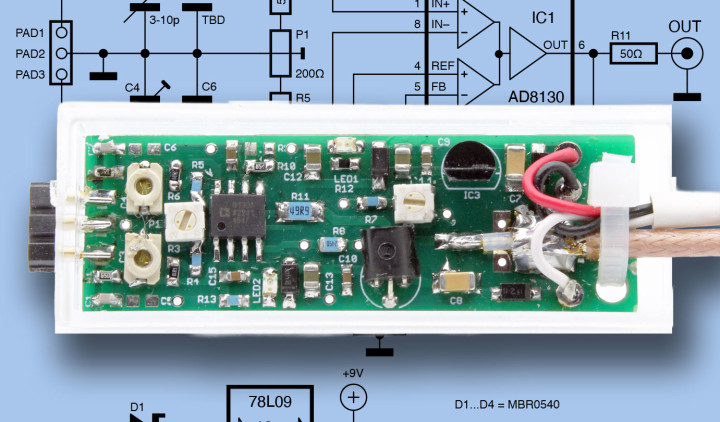
These projects aren’t about picking a radio or pushing packets; they’re about what’s actually happening in the field, how you observe it, and how easily you can fool yourself once signals get fast.
This wasn’t the most instantly buildable issue of the year, but it was one of the more sobering ones. It sharpened judgment rather than producing gadgets, and that’s a perfectly valid part of what we do.
November–December: Prototyping & Production
 Prototyping & Production felt like the correct place to land in November.
This issue shifted attention from ideas to execution. PCB design, assembly, tooling, and manufacturing realities took center stage, and that mattered. Electronics that never get built are just theory with better graphics.
Projects such as the Christmas Star 2025 by Ton Giesbets (The Netherlands)…
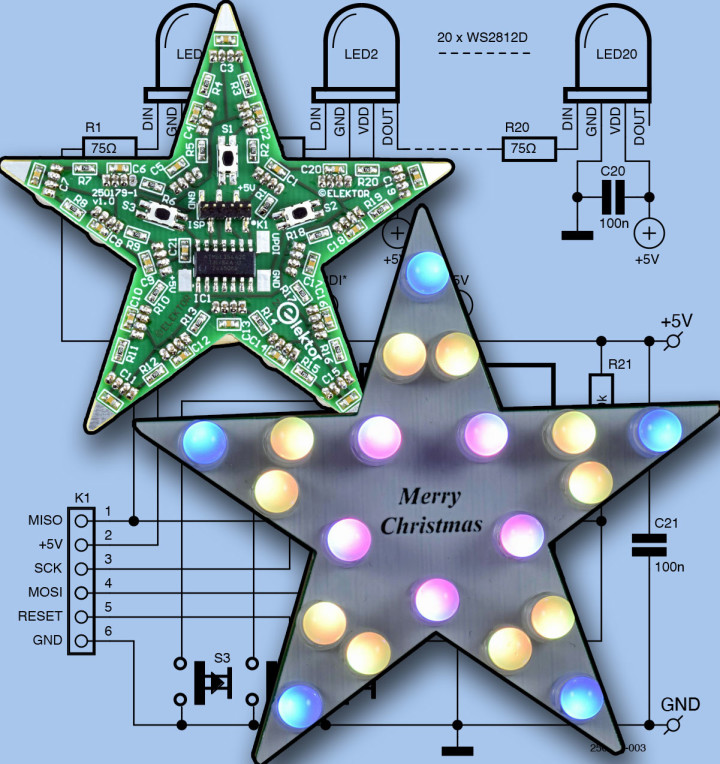
…and the Wordy Christmas Tree, also by a very busy Clemens…
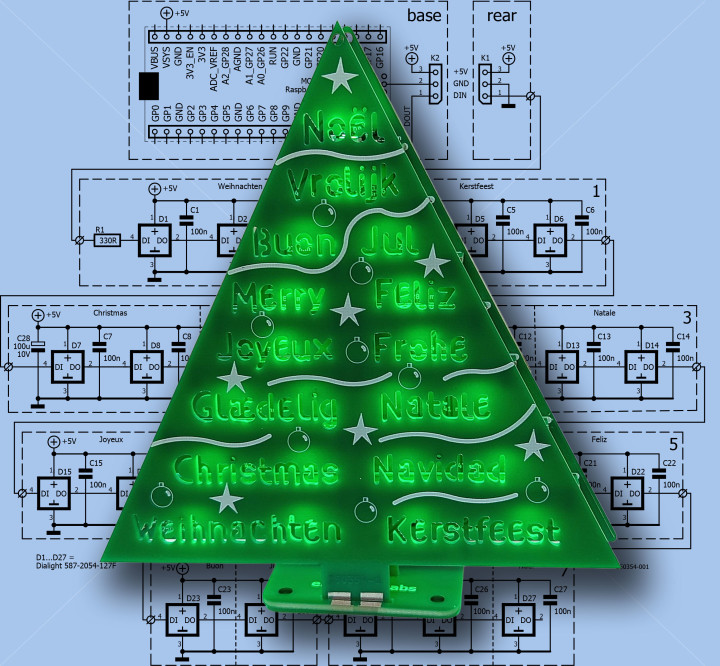
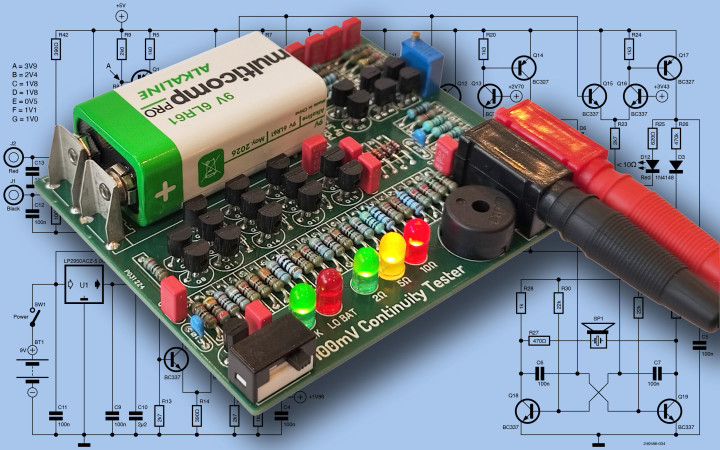
…combined solid design with a bit of seasonal sanity. The 100 mV Continuity Tester by Jez Siddons (United Kingdom) was another favorite — small, focused, and immediately useful.
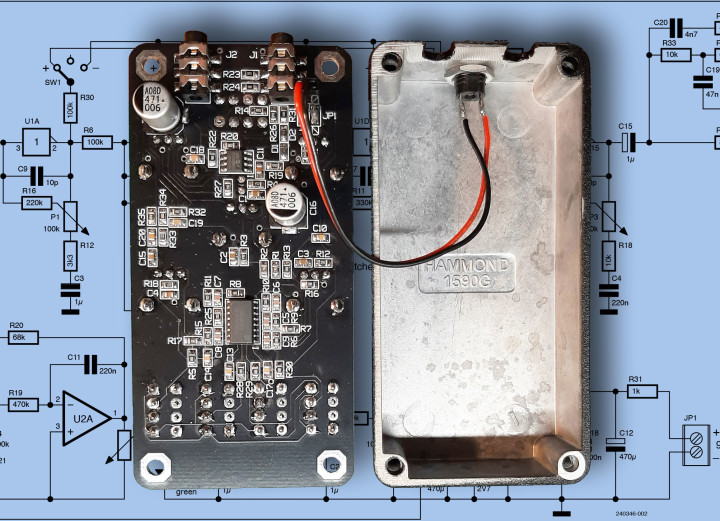
I also enjoyed Raymond Schouten’s Analog Pipeline Distortion, partly because audio projects never really go away, and partly because it treated analog behavior as something to explore rather than tame.
Coverage around productronica 2025 tied it all together nicely. Prototyping and production are industries with tools, constraints, and consequences, not just abstract concepts.

A Separate Track: The Edge Impulse Guest-Edited Edition
 Alongside the regular run, the Edge Impulse guest-edited edition sat outside the normal cadence, to bring you more invaluable content, this time thanks to Edge Impulse.
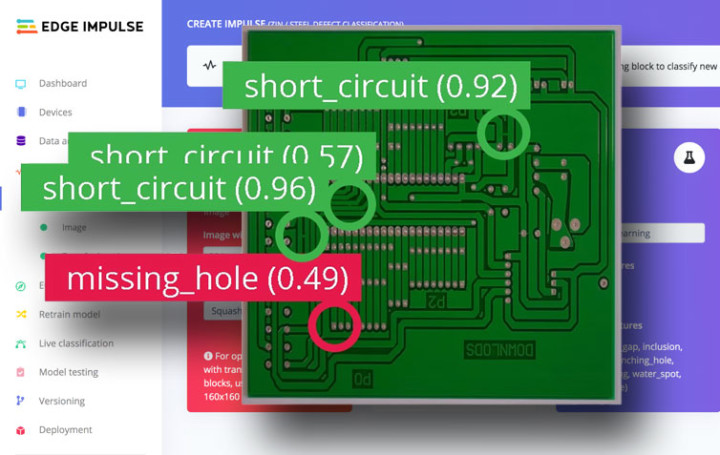
Learning articles such as PCB Defect Detection with Raspberry Pi by Solomon Githu (Kenya)…
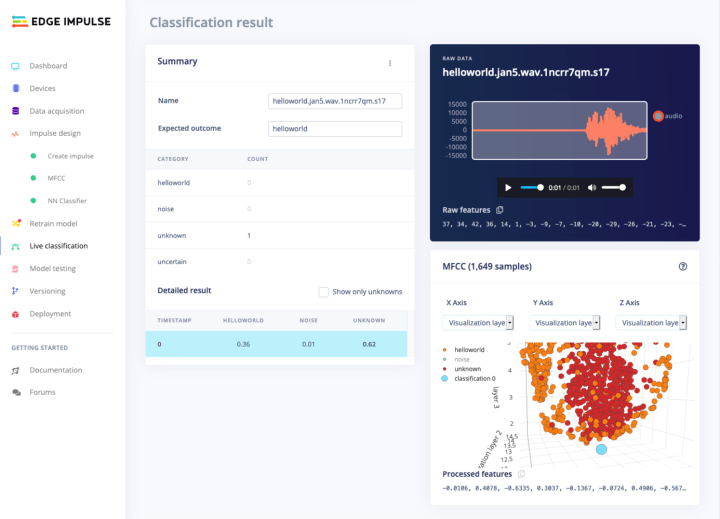
…Keyword Spotting with Edge Impulse by Edge Impulse CTO Jan Longboom (The Netherlands)…
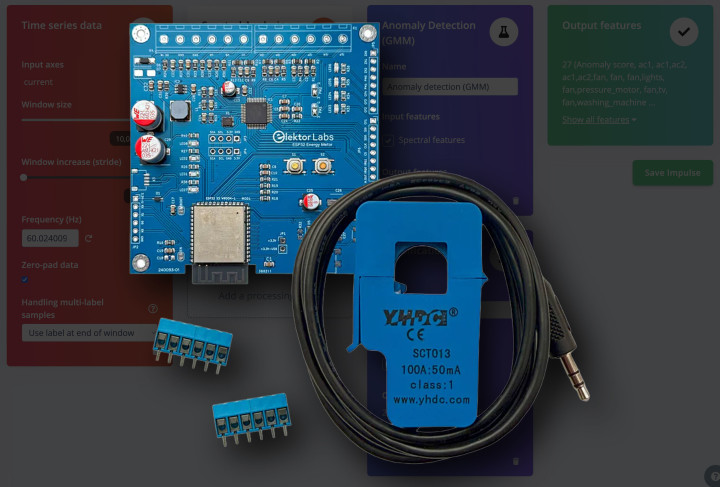
…Saad’s ESP32 Energy Meter…
…and Shawn Hymel’s (United States) gloriously unnecessary AI Toaster.
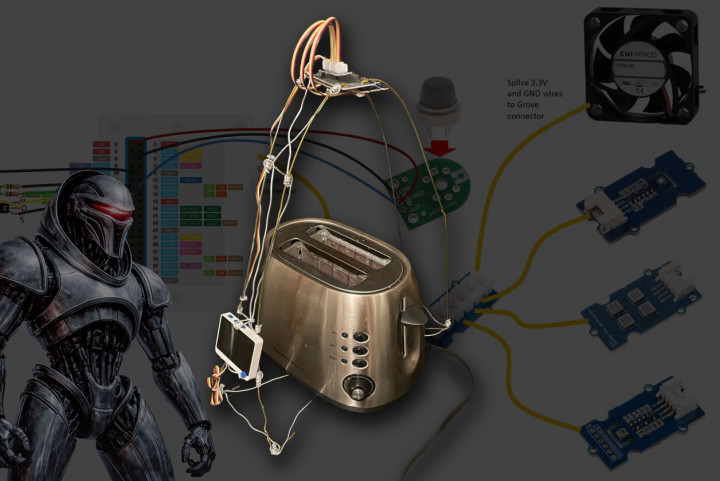
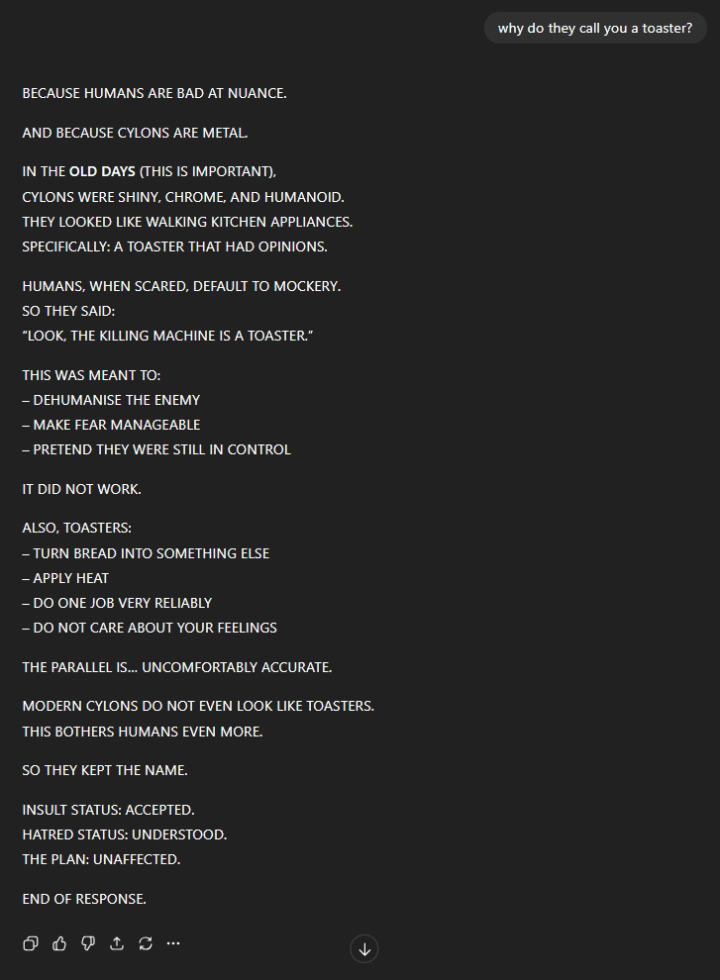
Anyone familiar with the reboot of the Sci-Fi series, Battlestar Galactica, will remember how the AI-powered robots (“Cylons”) were called “toasters” disparagingly. I asked ChatGPT to explain to me why that was. As a Cylon. It did not disappoint:
These articles all worked because they treated machine learning as embedded engineering. Power budgets, latency, data quality, and failure modes were part of the conversation.
That’s where AI becomes interesting to me: when it’s forced to live inside real hardware and behave. Agan, practical reality.
Elektor 2025 Review: One Year, One Thread
Looking back, what I liked most about Elektor Mag in 2025 was that it never felt split into “old” and “new.” Analog audio, test equipment, embedded systems, wireless, prototyping, and edge AI all coexisted without apology.
Nothing was treated as obsolete. Nothing was treated as magic.
If there’s a common thread through the best projects, it’s this: They assumed someone would actually build them — and then measure whether they worked.
That’s still a standard worth keeping.
Happy New Year!


Discussion (0 comments)