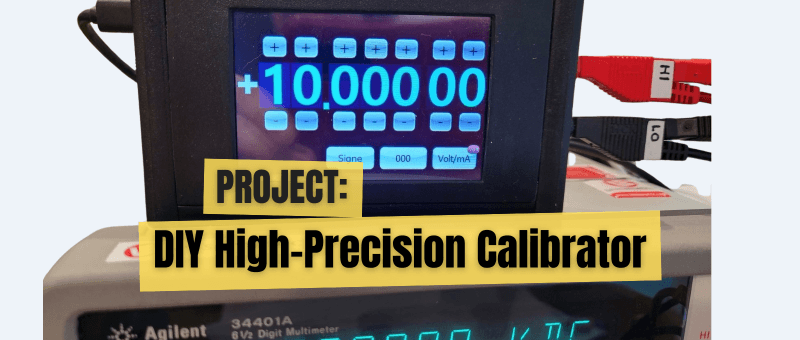
| Need a reliable calibration source? Our featured circuit delivers precise voltages from -10 V to +10 V (20 µV steps) and currents up to 40 m...



All items tagged with Test & Measurement and DIY electronics (74)

| Build your own compact FM stereo test transmitter that generates ultra-low distortion audio and precise VHF signals using only simple CMOS l...
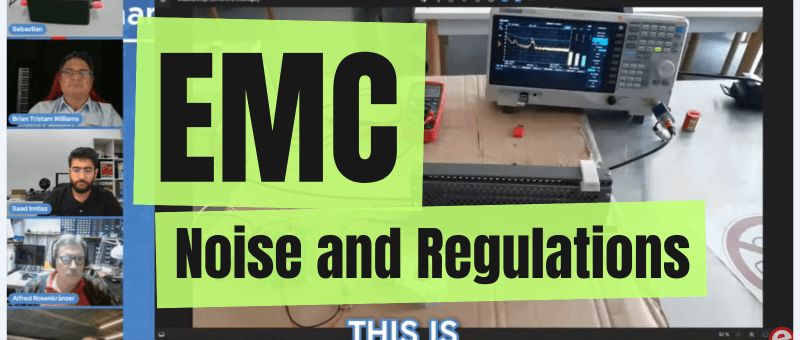
| Your circuit works, but is it compliant? In the following video, we dive into electromagnetic compliance (EMC) basics: radiated emissions, c...

| Check out the latest installment of Elektor Lab Notes. We cover some of the newest projects on our workbenches, including upcoming articles,...
| Watch this new episode and learn about clever circuits, engineering techniques, and design hacks. We dive into 3D printing to RF, with hands...

| Curious how a single board can replace an entire bench of lab equipment? In this Elektor Webinar, Red Pitaya’s Miha Gjura showcases the vers...

| Looking for practical engineering tips and insights? Engineer Eddie Aho from Kiss Analog, recently joined an episode of Elektor Engineering...

| Check out the latest installment of Elektor Lab Notes. We cover some of the newest projects on our workbenches, including time of flight sen...
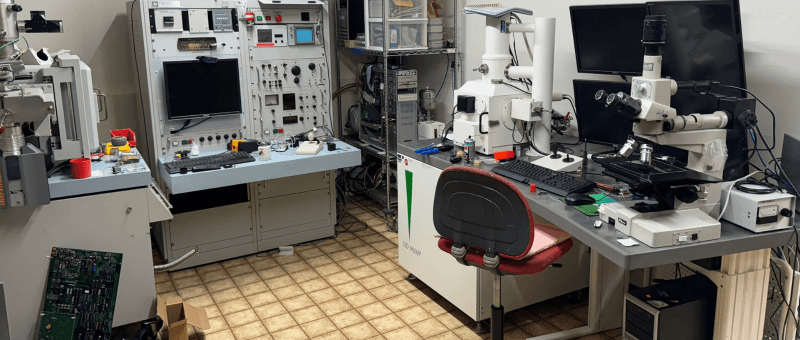
| Discover a workspace that’s more than just a garage. Jerry Biehler, a Senior Test Engineer, has an electronics haven. From CNC mills and las...
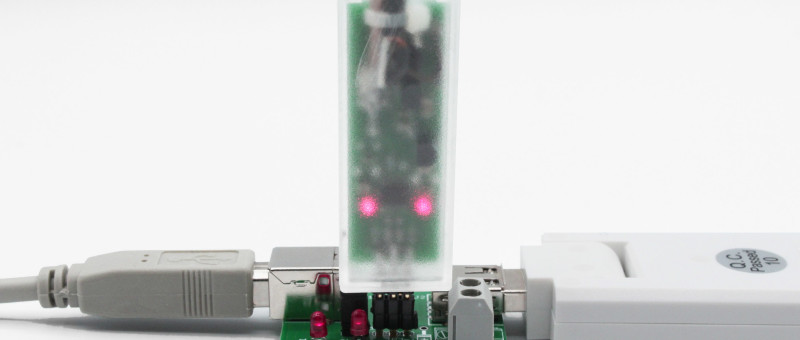
| When peripherals connected to a PC don't function or behave erratically, a thorough fault analysis of the USB port often proves revealing. T...