| Experimenting, coding and building electronics around the Raspberry Pi can be simple, affordable and fun thanks to the pi-top ecosystem. pi-...



More about RGB LED (80)

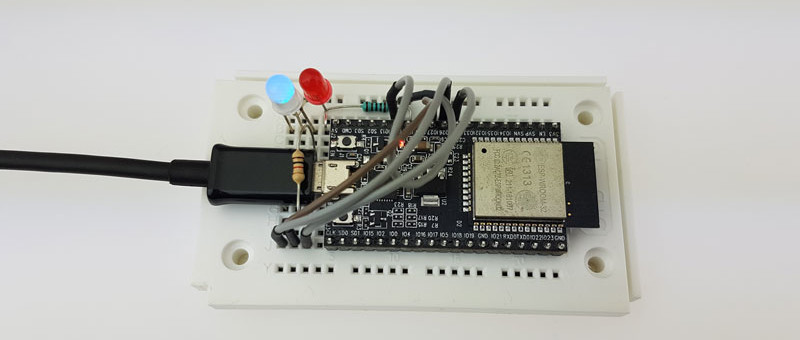
| In the last episode, we configured the ESP32 to set up its own local Wi-Fi network. With a PC, smartphone or tablet, we are able to log into...
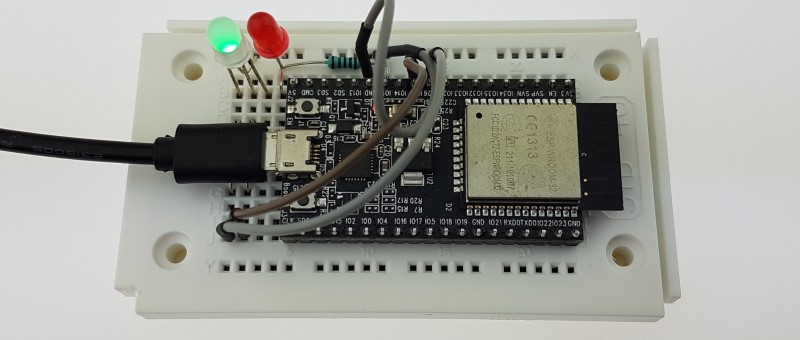
| In the last episode of this series we produced a small web server using the ESP32 DevKitC. On request from a web browser running on a PC or...

| In the recent installments, we used the MQTT protocol to exchange messages containing measurement values and commands between different clie...
| The differences in measurable potential on plants aroused the interest of Walter Polleros. His BioLight project detects electrical fluctuati...
| Take a 7-segment digit and make the colour of each segment freely programmable. A bright idea, but why the hell didn't anyone think of it be...
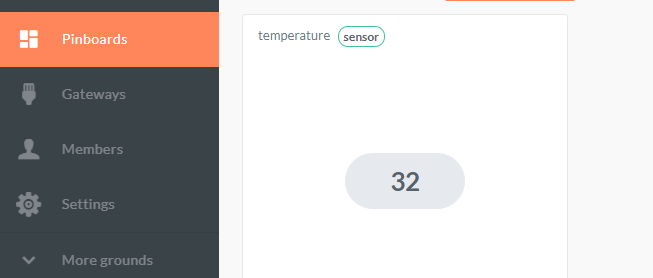
| In this series we have developed MQTT clients able to send messages back and forth over the internet. With the summer break behind us we tak...
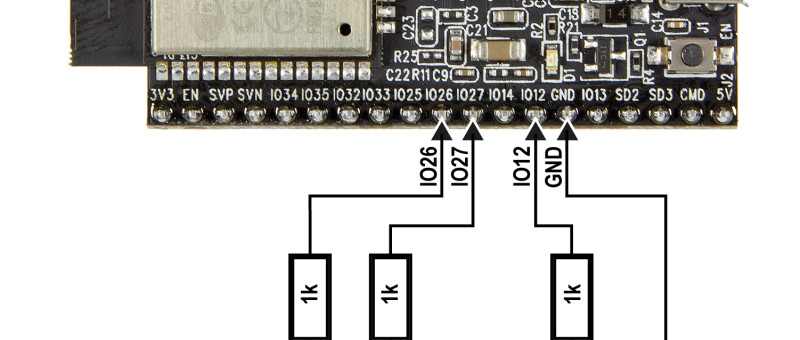
| The Pretzel board is a really useful tool especially when you are starting out with networks. Now however it was time to try out a different...
€5 (FREE for Members)

| Ukule-LED is a modified ukulele with digitally addressable RGB LEDs embedded in its fretboard. These LEDs can light up in con gurations corr...
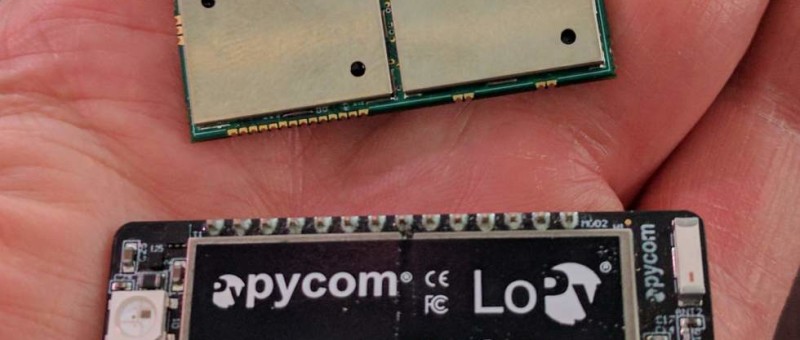
| Pycom is a young company producing small modules supporting multiple network topologies. Partly funded through a few Kickstarter campaigns t...