| Gazprom responds: we are not abusing our position The article by Iana Dreyer, analyst at the European Centre for International Political Ec...



More in Energy (1668)

| European energy policy is critically flawed. It has proven impossible to square the circle between security of supply, greater sustainabilit...
| The power deal spotlight in 2009 continued to shift away from the very large deals of earlier years as companies focused their attention on...

| Visions of our energy future Since European Energy Review started as online medium on 2 December last year, our best read article has been...
| In this report, the author argues that the national security risks posed by Russian energy policies are only tangentially related to Europe’...
| Whilst heads of state were vainly trying to reach agreement at the United Nations conference in Copenhagen last December, local authorities...
| Gazprom is Russia’s leading company, but few enterprises have been as badly beaten during the global financial crisis. The Russian economy h...
| How effective is carbon trading as a method of reducing emissions? Although trading CO2-emissions has always been regarded critically by man...
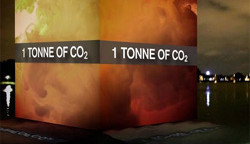
| The disappointing outcome of the Copenhagen climate change talks has led to questions about the future of the international carbon market. F...
| The Pan-European Institute publishes a bimonthly discussion forum, Baltic Rim Economies (BRE), which focuses on the development of the Balti...